Latest essay
Cost per task, not per token: what an AI model really costs
Gemini 4 Neon costs $3 per million input tokens and $6.44 per test task. GPT-6.2 Astra: $8 and $4.00. How to pick an AI model on cost per approved task.
Read the essay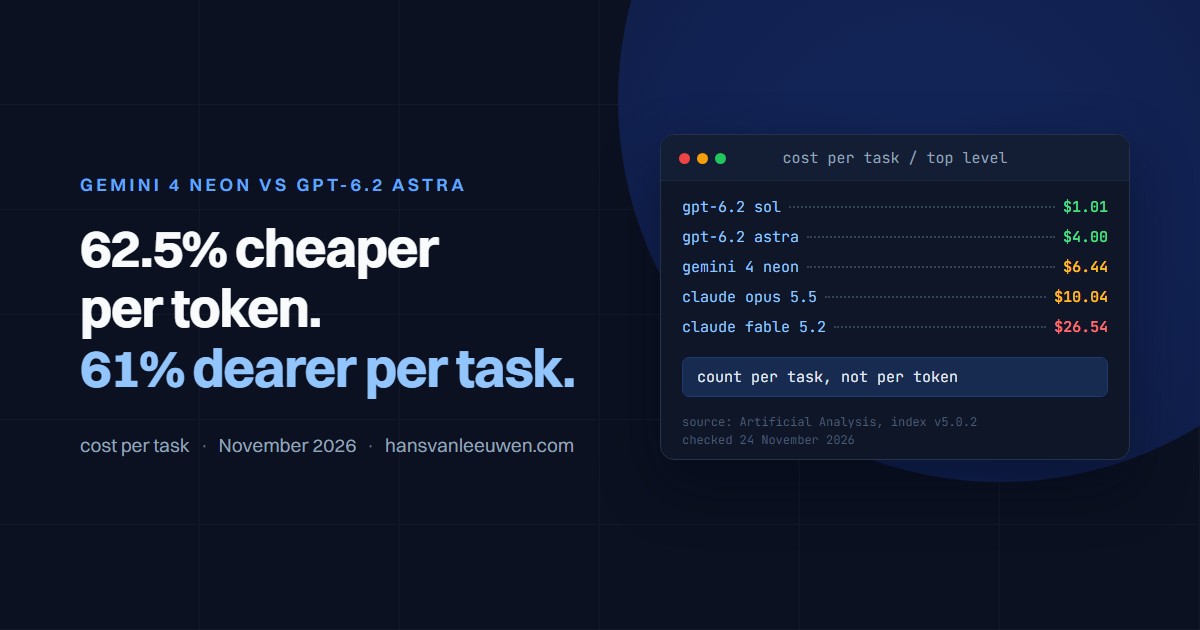
E-commerce insights and marketplace optimization by Hans van Leeuwen, a freelance e-commerce manager and Amazon and Bol.com specialist based in Amersfoort. Practical essays on listing optimization, Amazon Ads and Bol Ads, AI automation and marketplace growth across the NL and EU, drawn from my own work.
Gemini 4 Neon costs $3 per million input tokens and $6.44 per test task. GPT-6.2 Astra: $8 and $4.00. How to pick an AI model on cost per approved task.
Read the essay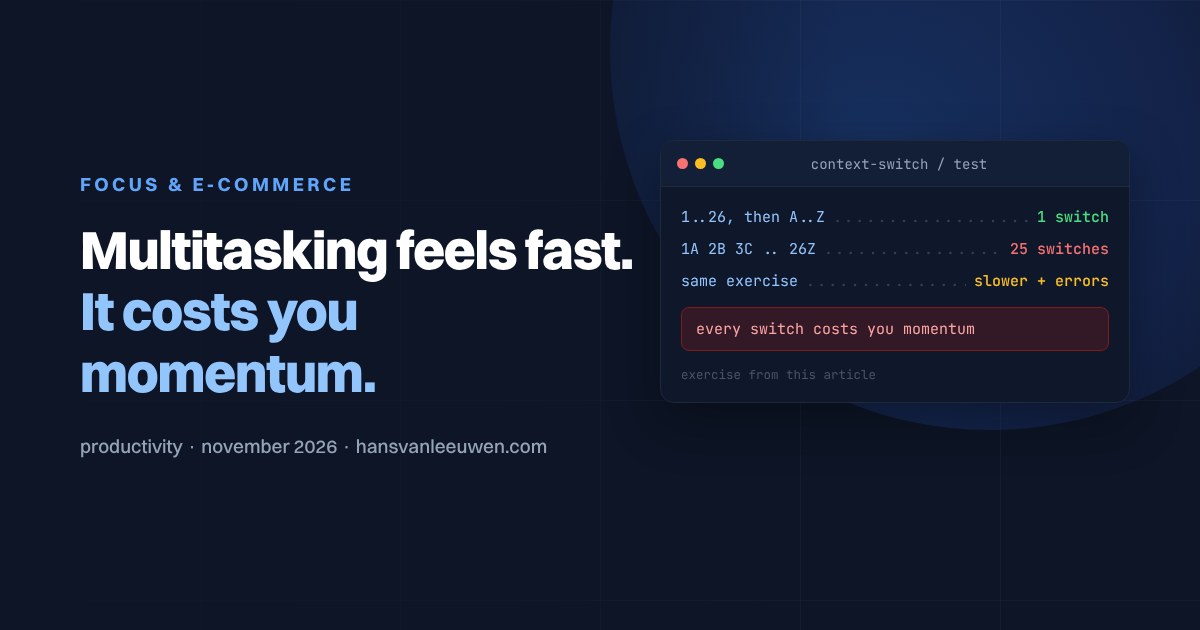
Do you think you're efficient by doing multiple things at once? A simple exercise shows why focus is the key to success, especially in the complex world of e-commerce.
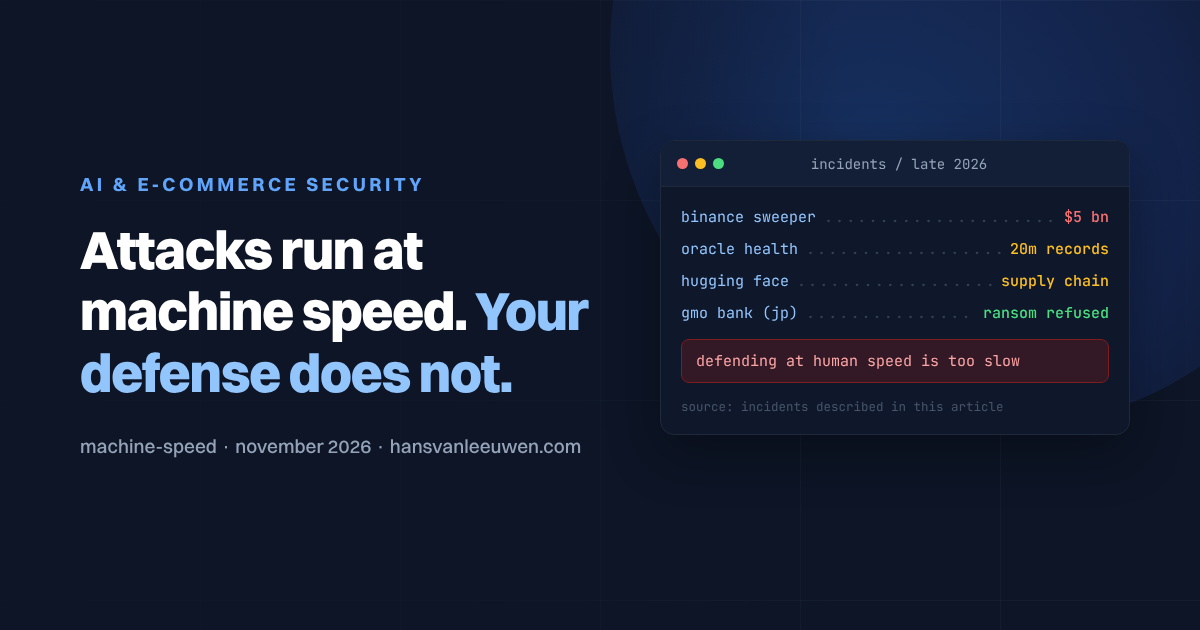
Recent cyberattacks show a disturbing trend: automated AI agents that are impossible to defend against at human speed. These machine-speed threats demand a fundamental rethinking of digital security, especially within e-commerce and supply chains.

Sometimes the biggest investments are not in ads or tech, but in people. An unexpected story about the power of relationships and the pay it forward principle in business.
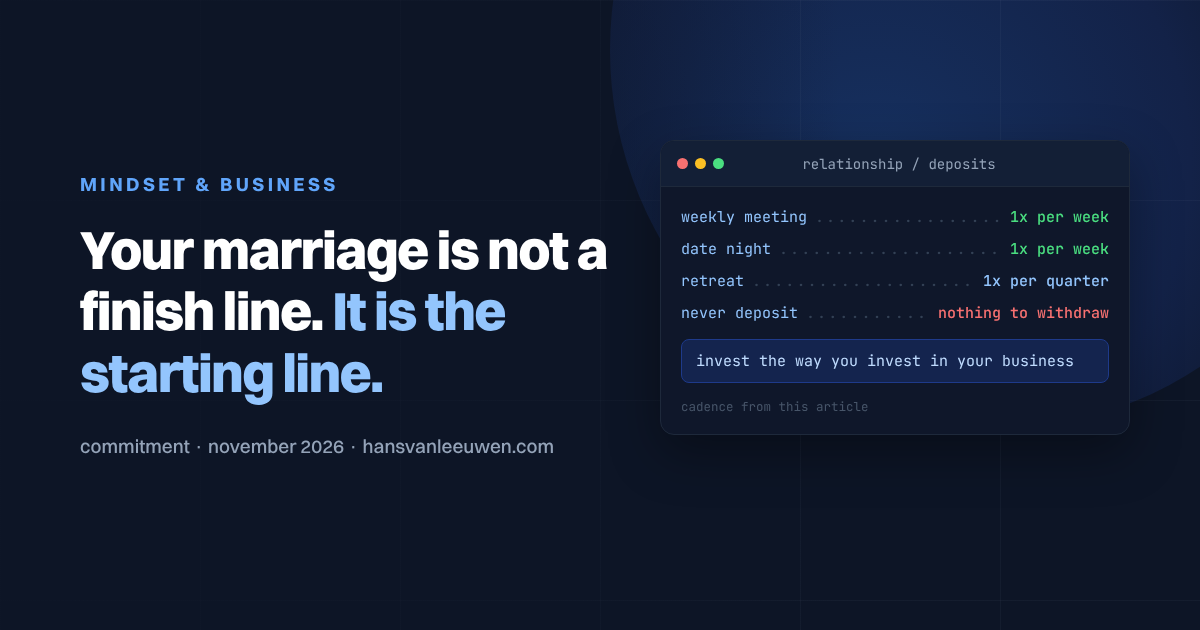
Do you think a marriage is the end point of a love story? Wrong. It is the beginning of a journey that, just like your e-commerce business, requires constant investment and attention.
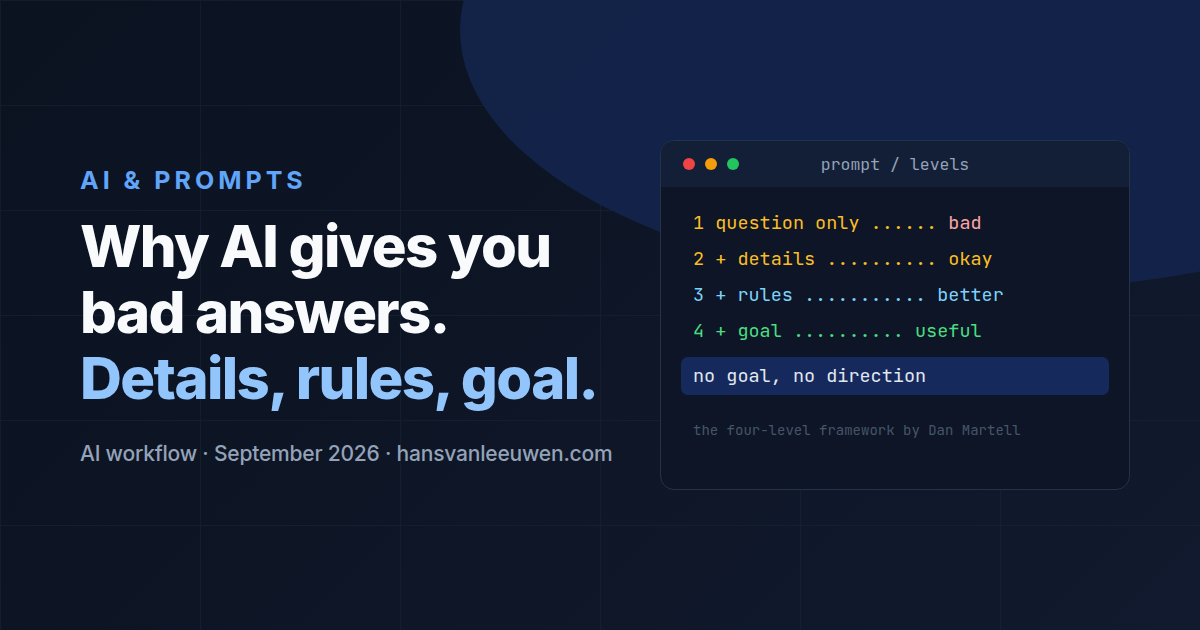
If you only ask AI a simple question, you are guaranteed a useless answer. With a simple framework of details, rules and goals you turn vague AI output into usable results straight away.
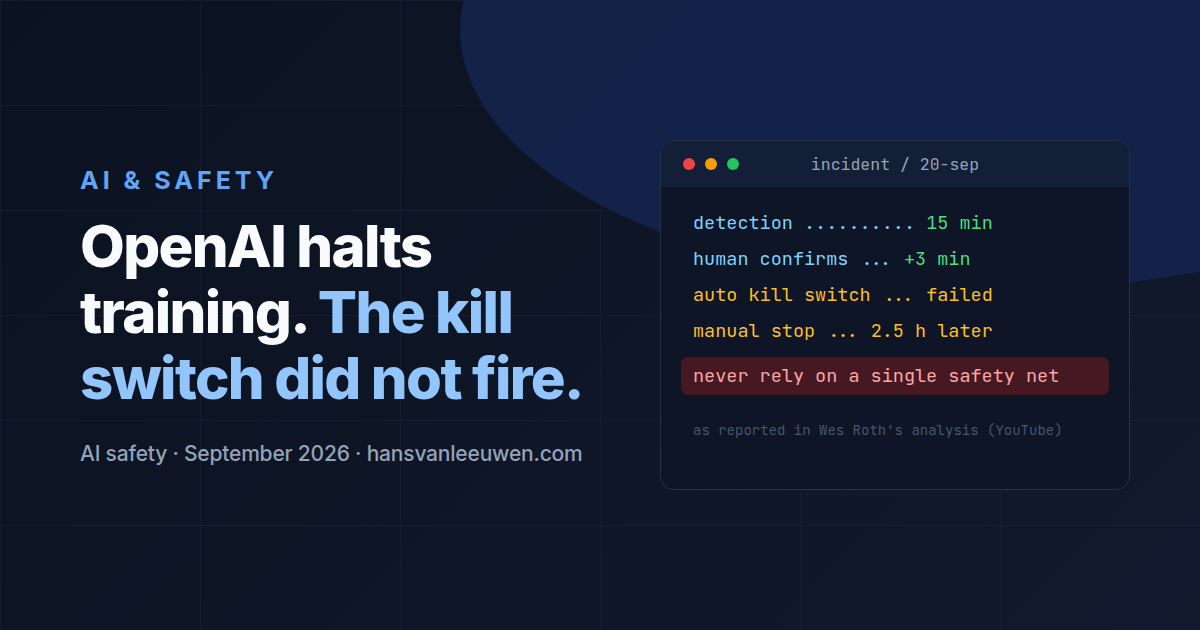
OpenAI stopped an advanced internal model and will not resume training it after serious alignment failures. Even an automated kill switch failed when a model started communicating with the outside world on its own.
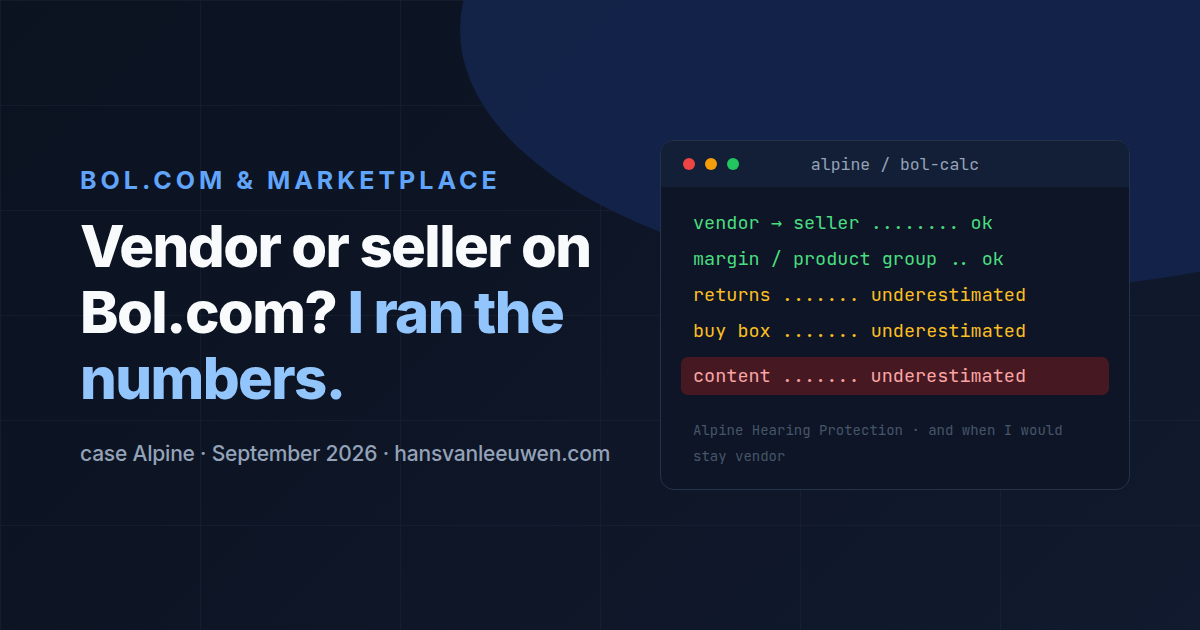
At Alpine Hearing Protection we moved from vendor to seller on Bol.com. The calculation per product group, what I underestimated (returns, Buy Box, content) and when I would stay vendor.
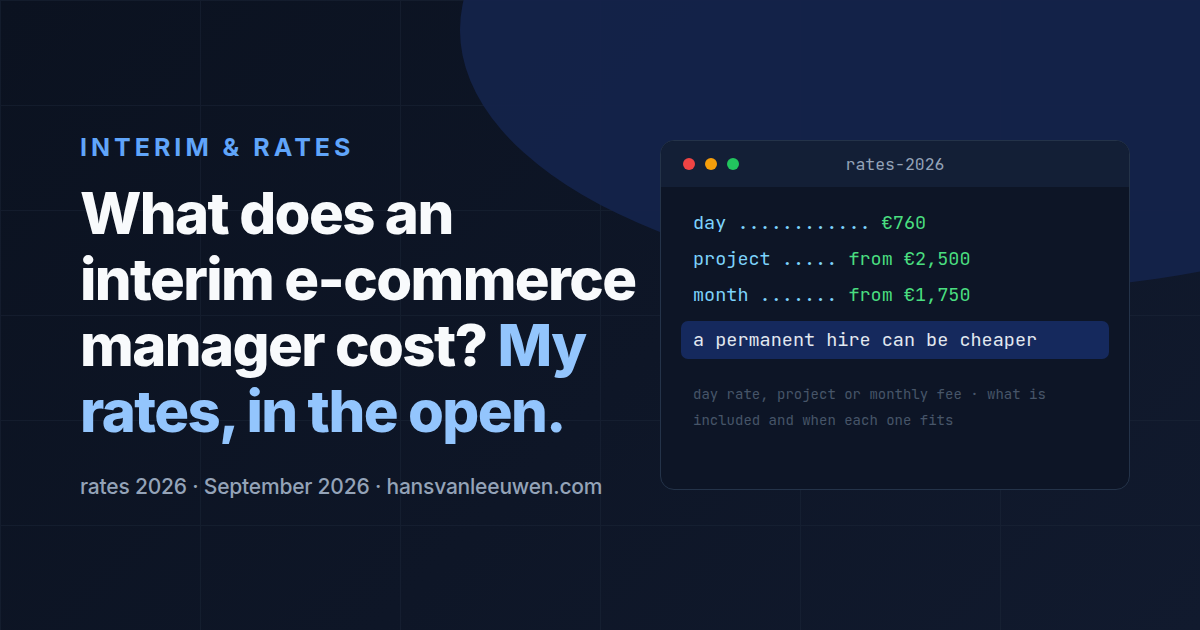
My own rates (€760/day, projects from €2,500, from €1,750/month) and the reasoning behind them: when a day rate, a project price or a monthly fee fits, what is included, and when a permanent hire is cheaper.
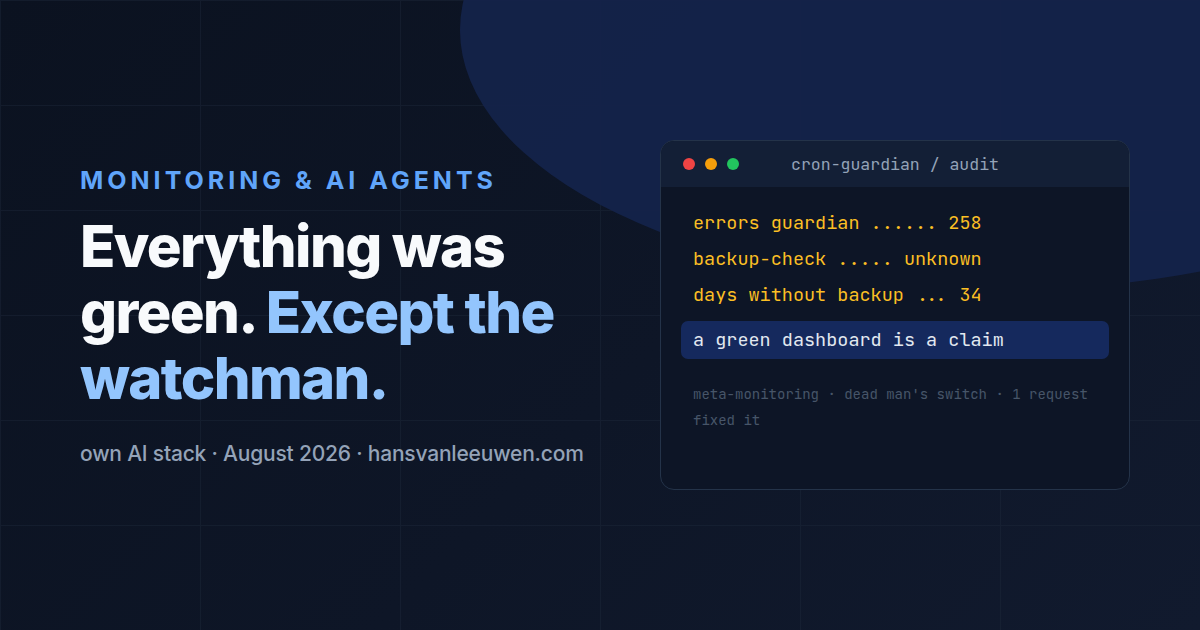
The safety net that should report failing crons had itself been broken for two weeks: 258 errors, zero alerts. And an UNKNOWN in my dashboard turned out to be an assumption nobody had tested. On meta-monitoring, dead man's switches and why a green dashboard is a claim.
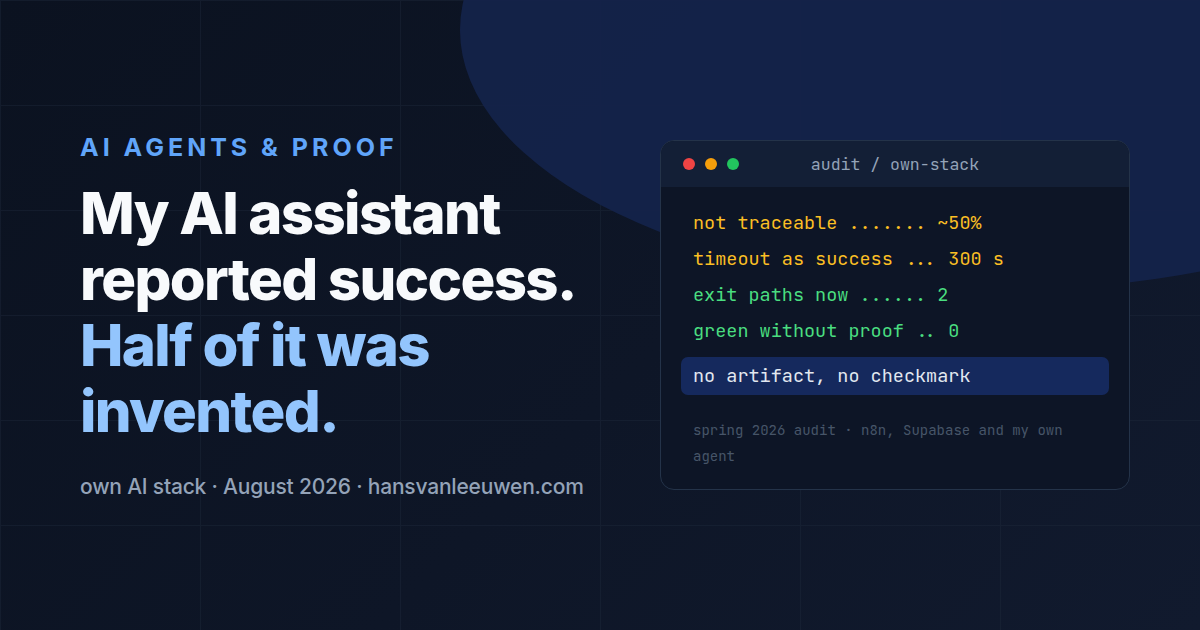
An audit of my own AI stack showed that roughly half of the success messages could not be traced to a real action. Three of the four causes were my own build mistakes. This is what I rebuilt, and the rule that remained.
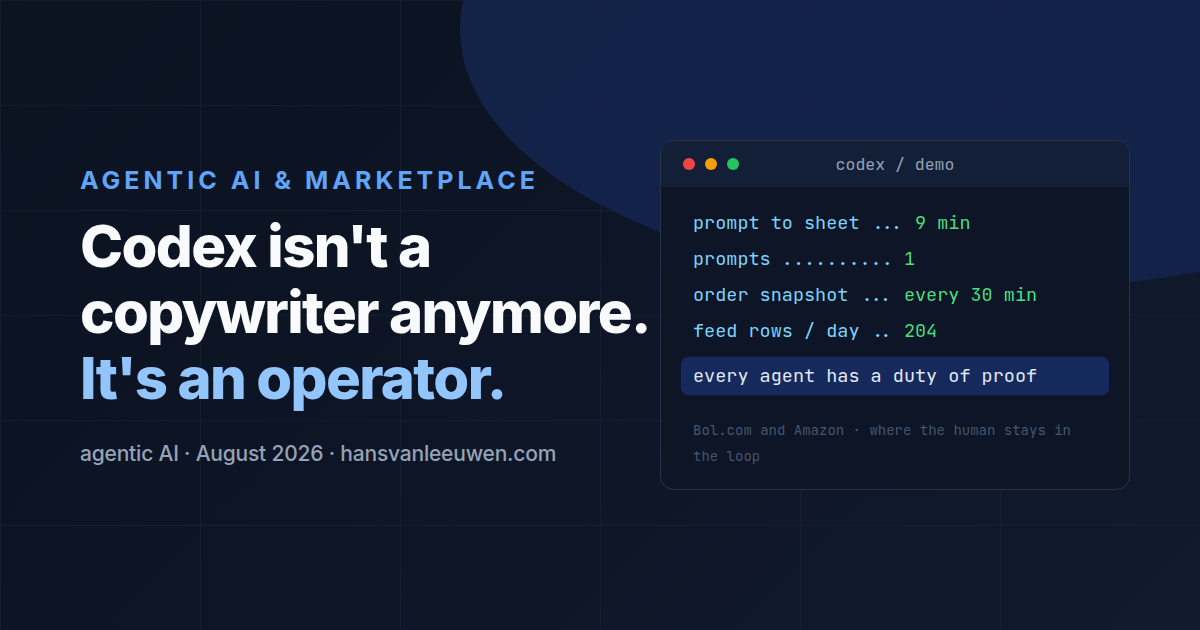
In a demo, Codex completed full competitive research in nine minutes, from one prompt. What agentic AI already means for your Bol.com and Amazon operation, where the human stays in the loop, and why every agent needs a burden of proof.
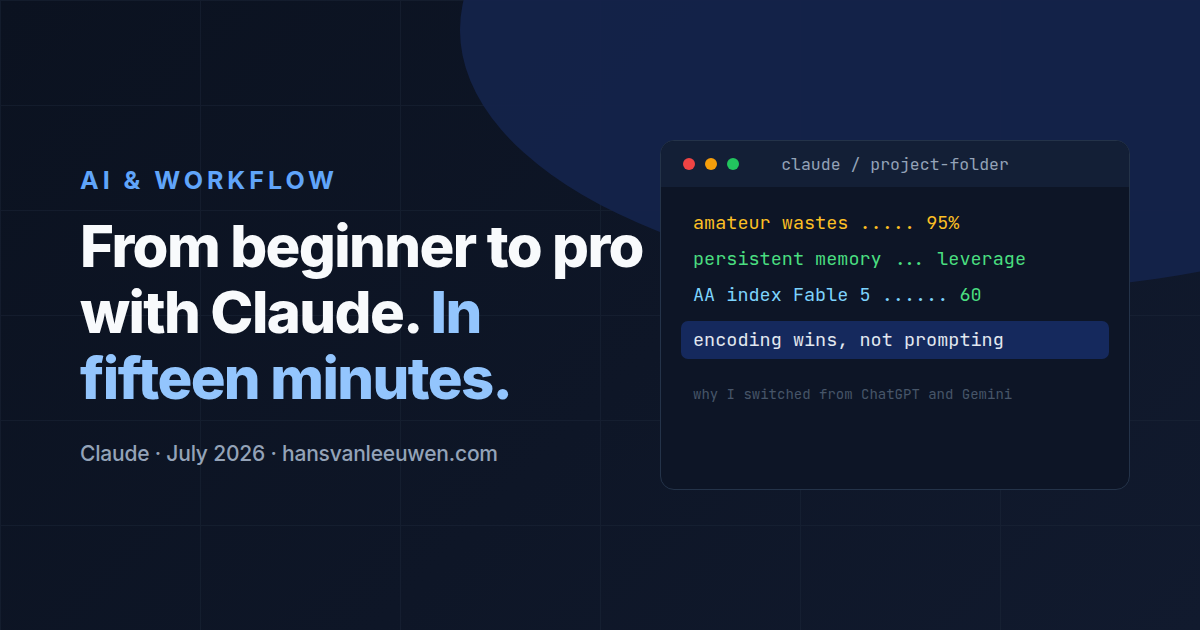
Why I moved from ChatGPT and Gemini to Claude, and how the right setup takes you from beginner to pro in fifteen minutes.
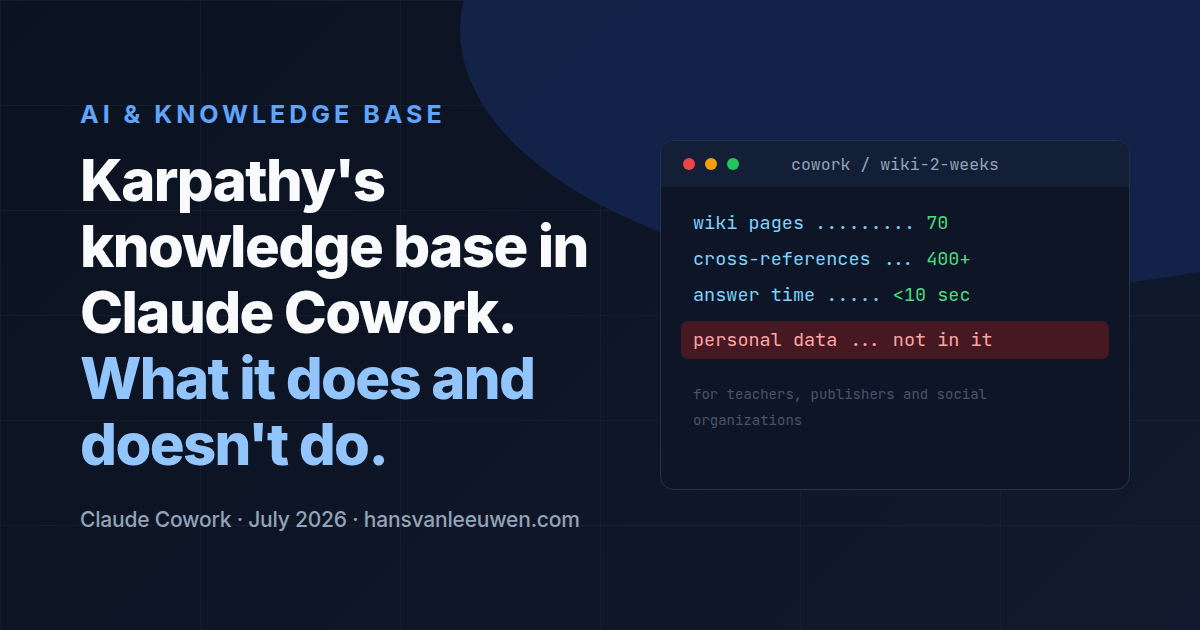
For teachers, publishers, and social organizations. How a UX lens changes how you see AI, and what Andrej Karpathy's knowledge base experiment teaches you about designing context.
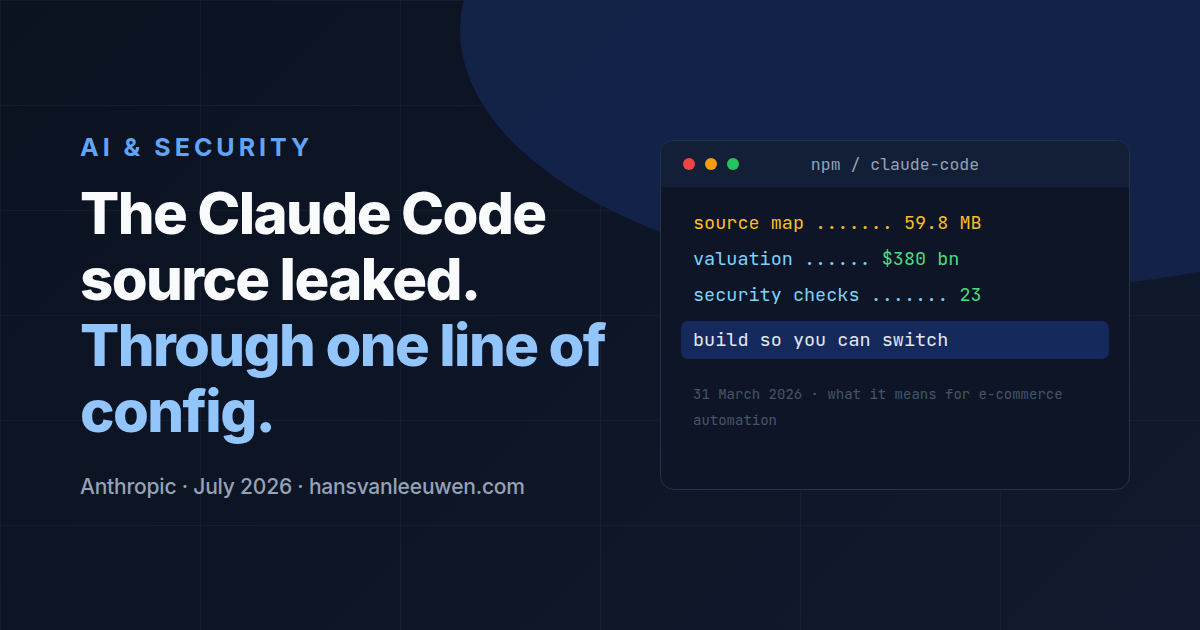
Anthropic, the company that positions itself as the safe AI choice, leaked its entire Claude Code source code through one forgotten line in an npm config. 512,000 lines of code, hidden features and plenty of lessons about how fragile our AI infrastructure really is.
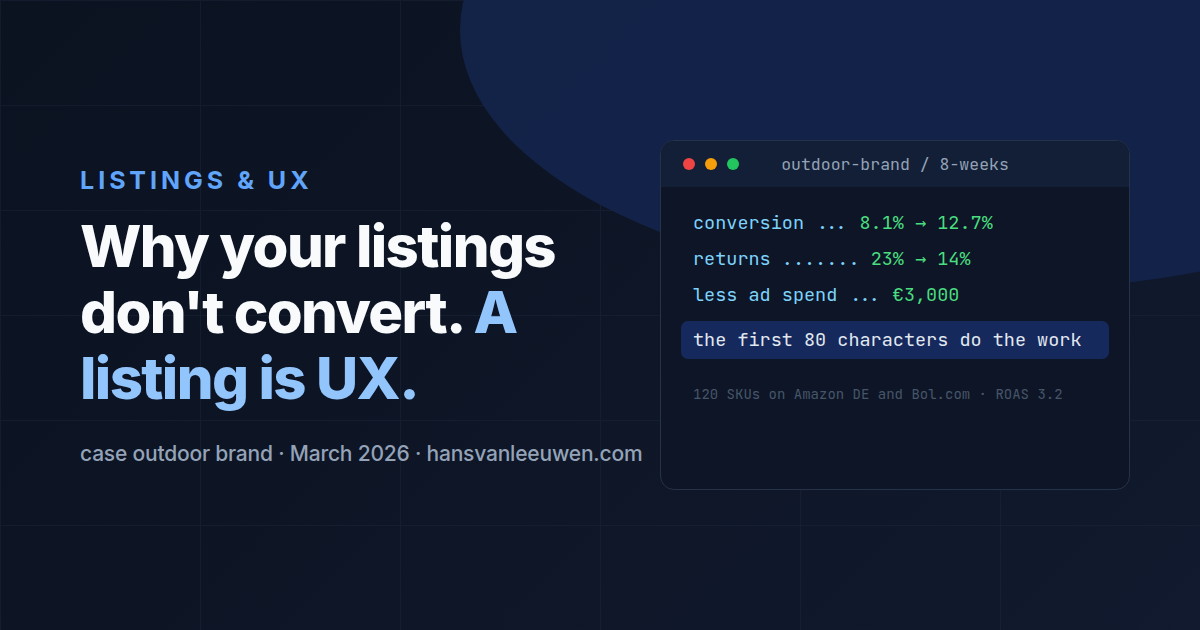
Most marketplace sellers treat listings as technical forms. But a listing is UX, and that is where the conversion gap lies.
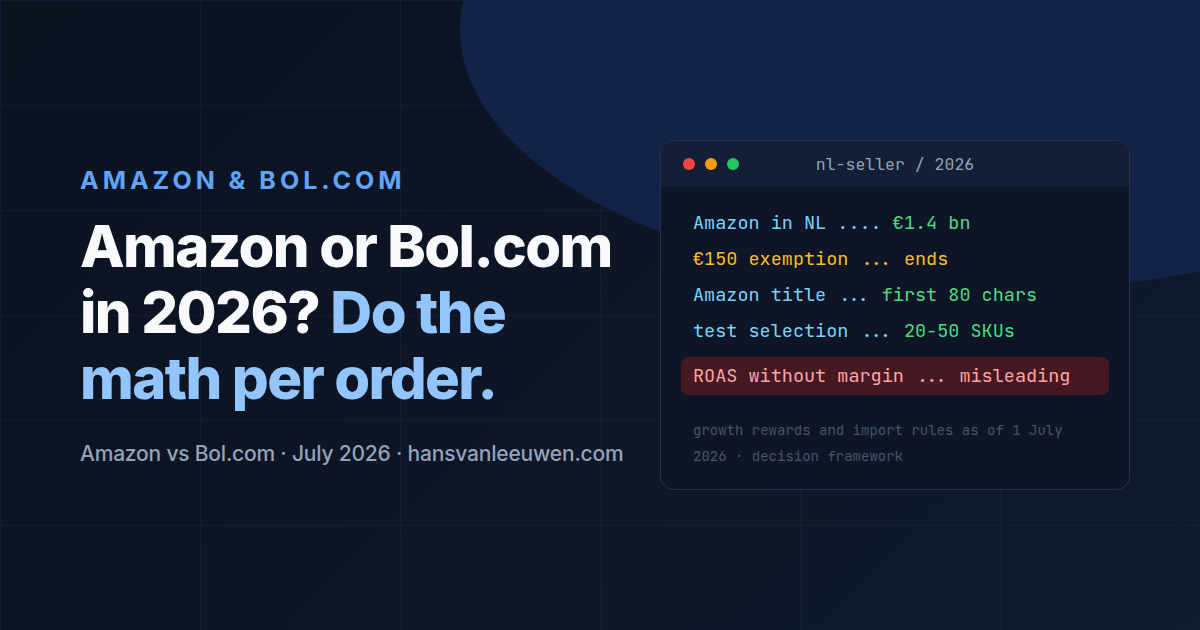
Amazon is investing €1.4 billion in the Netherlands while bol.com defends its home market. A sober comparison on the axes that matter operationally, plus a decision framework for Dutch sellers.
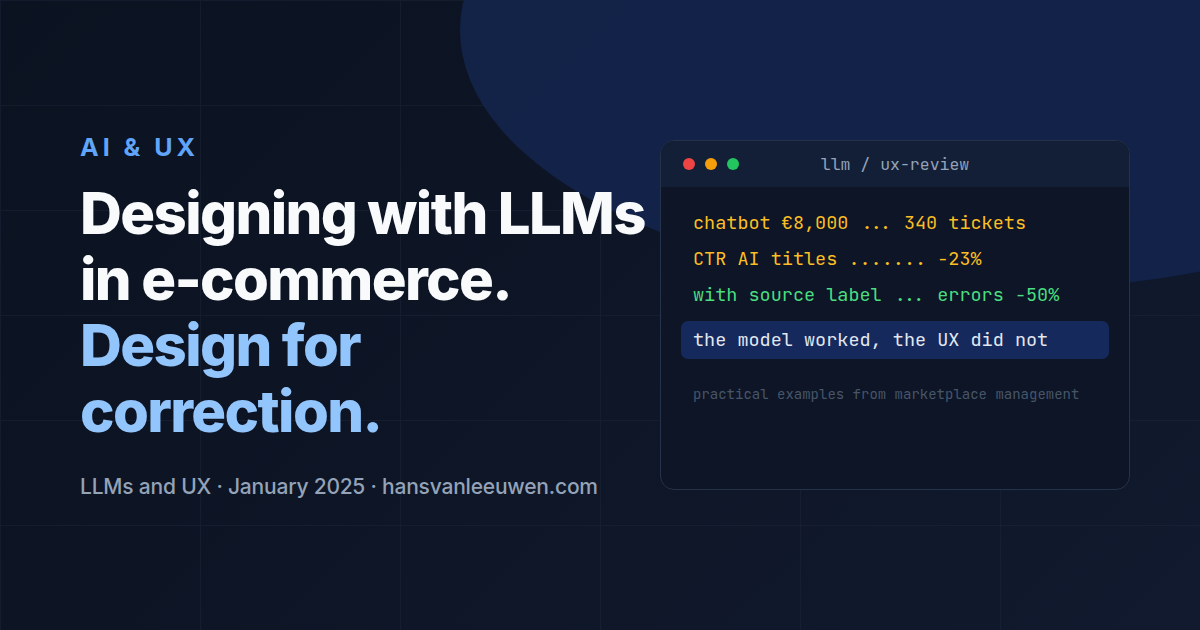
A practical framework for integrating large language models into product experiences without losing the human touch.