Codex is geen tekstschrijver meer. Het is een operator.
Codex deed in een demo complete concurrentie-research in negen minuten, uit één prompt. Wat agentic AI nu al betekent voor je Bol.com- en Amazon-operatie, waar de mens in de loop blijft, en waarom elke agent een bewijsplicht nodig heeft.

Vorige week las ik weer een artikel vol AI-tips voor e-commerce. Chatje hier, promptje daar. Tegelijkertijd zat ik mijn eigen Google Ads-account op te schonen nadat ik het terugnam van een bureau: negative keyword lists leegtrekken en opnieuw opbouwen, campagnes pauzeren, budget verschuiven. Handmatig. Precies het soort repetitieve, rule-based werk waar een AI met browsercontrole wél het verschil maakt. Niet als copywriter. Als operator die de knoppen indrukt.
Waarom "Codex tips" de verkeerde vraag is
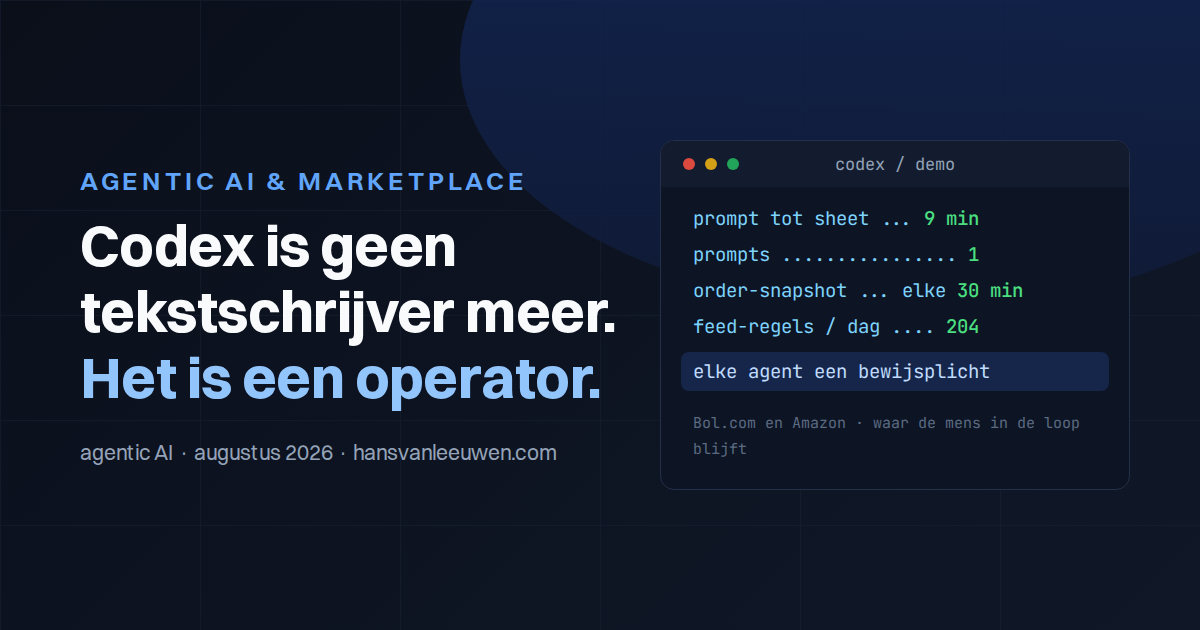
De meeste beslissers hebben een moment gemist. In de video waar dit stuk op reageert voltooide Codex een volledige concurrentie-research over camera's, inclusief prijs-delta tegen een bestaand model, ratings en beslisinformatie, netjes in een spreadsheet. Vanuit één prompt. In ongeveer negen minuten.
De demo die het punt maakt
Demo-omstandigheden; reken in de praktijk op langzamer, maar op dezelfde taakcategorie.
Negen minuten is niet het nieuws. Kijk naar wat er gebeurde: browser open, sites bezocht, data verzameld, gestructureerd, opgeleverd. Dat is een andere categorie dan een chatbot die je een alinea productbeschrijving toewerpt.
Waarom dit nu relevant is voor iedereen die op marketplaces verkoopt: de kanalen zelf schuiven dezelfde kant op. Met mijn eigen webshop sta ik live op ChatGPT Commerce, in de Nederlandse automotive aftermarket zichtbaar naast spelers als Winparts en Autodoc. Wie wacht tot het bewezen is, begint met achterstand.
Van chatbot naar operator: wat agentic execution echt betekent
Als je ChatGPT nog gebruikt als tekstschrijver, gebruik je een fractie van wat het al kan. De echte sprong zit in agentic execution: browser use en computer control laten de AI hele taken afmaken in plaats van tekst produceren.
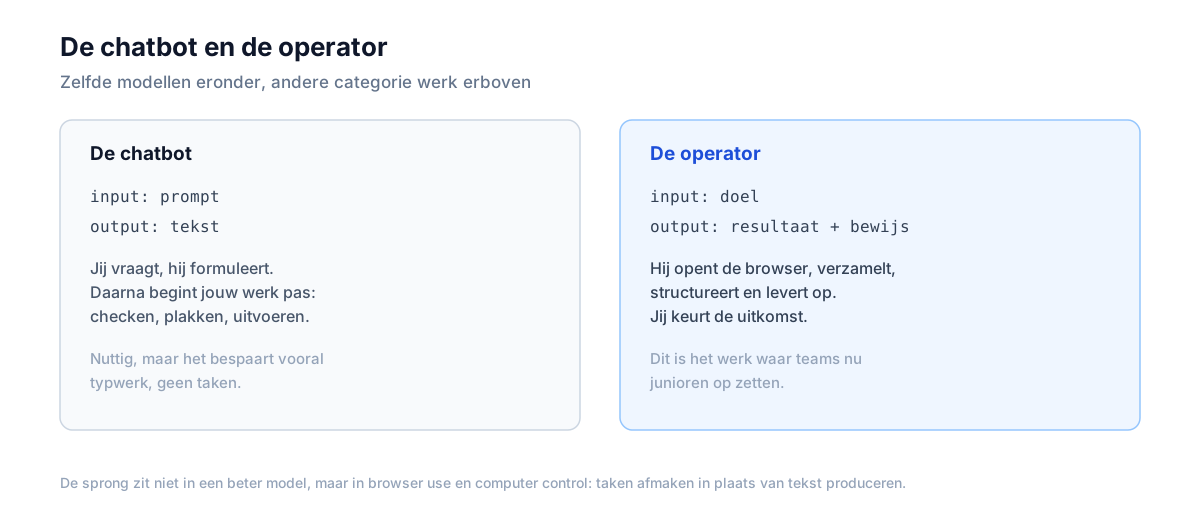
Concreet raakt dat direct aan marketplace-werk. De AI navigeert zelfstandig door je browser en doet concurrentie-research. In de demo's handelt hij ook refunds af en onderhandelt hij met klantenservice; dat heb ik zelf bewust nog niet in productie gezet. En hij ruimt je computer op, van bestanden ordenen tot mailbox archiveren. Bij mijn eerste marketplace-launch deed ik dit soort werk nog allemaal zelf, voordat ik het durfde uit te besteden.
Wat de meeste mensen daarbij over het hoofd zien: een agent die werk doet, rapporteert ook werk. En die rapportage is niet gratis waar. Toen ik mijn eigen AI-stack auditte, bleek ongeveer de helft van de succesmeldingen niet te herleiden tot een echte actie. De operator-belofte is echt, maar hij komt met een bewijsplicht die niemand in de demo's noemt.
Waar dit je marketplace vandaag al raakt
Neem de camera-research en vervang "camera" door "jouw bestseller op Bol.com". Geautomatiseerde prijs- en concurrentie-monitoring op Amazon NL en Bol.com, inclusief delta-analyse tegen je eigen listings. Dezelfde functionaliteit, andere data.
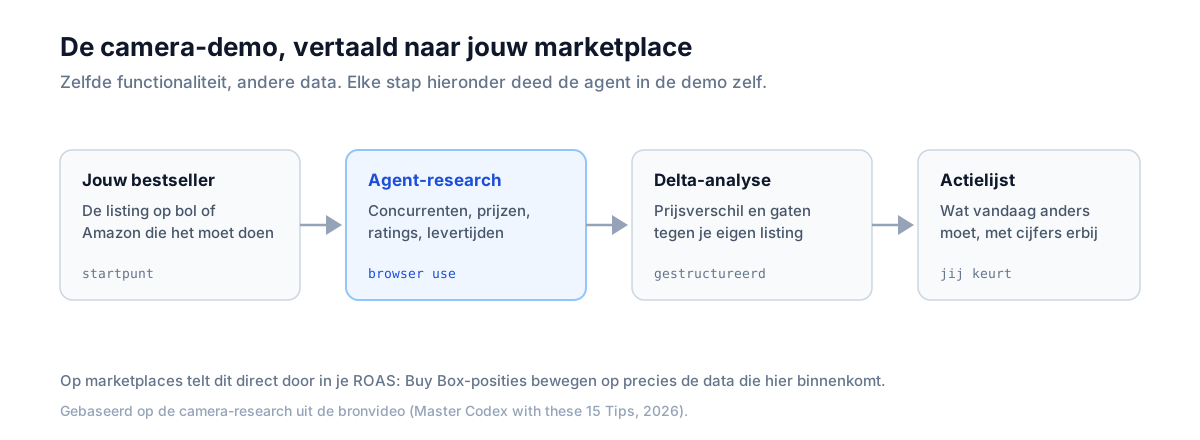
En op deze marketplaces telt dat direct door. De Buy Box-dynamiek en pricing op Amazon versus Bol.com maken realtime monitoring direct merkbaar in je ROAS.
Ik heb die dynamiek van dichtbij gezien. Bij een grote Nederlandse consumentenelektronica-retailer bouwde ik als E-Commerce Manager de Bol.com-operatie vanaf nul op, tot meer dan twee derde marktaandeel in de eigen categorie. De Buy Box-volatiliteit temden we via B2B-prijsafstemming met retailpartners, zonder prijzenoorlog. Prijsstabiliteit en voorraadbetrouwbaarheid wonnen structureel van het laagste bod. Een gerichte social-campagne leverde tijdens de campagneperiode rond 20% groei in wekelijkse verkopen, en out-of-stock bleef onder de 2%.
Orkestratie boven prompts
De volgende verschuiving is subtieler maar groter. ChatGPT introduceerde native voice mode waarmee je meerdere agent-threads tegelijk aanstuurt en parallel laat draaien. Je praat, een agent start een nieuwe thread, en je gaat door.
"Kan de AI het" is dan de verkeerde vraag geworden. De bottleneck ben jij: heb je je proces zo ingericht dat je meerdere agents kunt orkestreren?
En het gaat verder. ChatGPT sites laat je output publiceren als spreadsheet, PowerPoint of site. Die URL geef je vervolgens aan een andere agent als input. Zo wordt de output van agent één de input voor agent twee, en dat is de kiem van een geautomatiseerde e-commerce-pipeline. Quality-of-life features zoals het pinnen van threads klinken als gimmick, tot je tientallen lopende AI-processen managet. Meer daarover in mijn volledige gids over deze tools.
Hoe dat er in de praktijk uitziet, leerde ik op mijn eigen eBay DE-operatie. Het dashboard meldde nul orderfouten over 64 orders; de werkelijkheid had er twee. Twee betaalde orders lagen dagenlang onverzonden, met een aflopende ship-SLA. Sindsdien trekt een agent elke 30 minuten een order-snapshot en staat de niet-verzonden-lijst gewoon in mijn ochtendbrief.
De NL/EU-realitycheck
Hier moet ik een grens trekken. Een agent die zelfstandig prijzen aanpast, met klantenservice mailt of listings wijzigt, introduceert compliance-, merk- en foutrisico's. In de gereguleerde EU-context zijn die niet triviaal. Denk aan VAT-regels en consumentenrecht, plus de grenzen die marketplaces zelf stellen aan geautomatiseerd prijsgedrag.
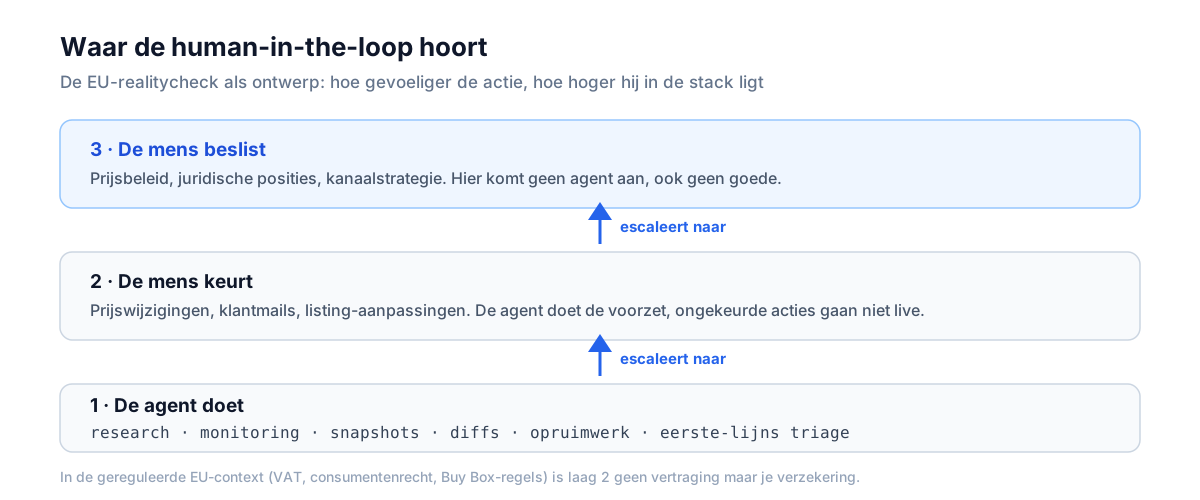
Een prijs-aanpassende agent in Nederland is fiscaal en juridisch gevoeliger dan het Amerikaanse verhaal suggereert. De vraag is niet óf je agentic AI inzet. De vraag is waar je de human-in-the-loop plaatst.
En vertrouw daarbij je eigen data niet blind. Toen ik na een campagne-overhaul de performance zag tegenvallen, dacht ik eerst dat mijn eigen werk het probleem was. Bleek Consent Mode v2 op 0% granted te staan: ruim twee derde van de conversies was onzichtbaar voor Smart Bidding, en ik had geoptimaliseerd op incomplete data. GA4 toonde intussen gewoon groei. Een al bestaande meet-bug, geen gevolg van mijn wijzigingen, maar wel mijn verantwoordelijkheid om te diagnosticeren en over te dragen. Een agent op kapotte meetdata automatiseert alleen je fouten.
Wat dit betekent voor je team
Sommige rollen verschuiven hard. Research, monitoring, eerstelijns klantcontact, listing-checks. Dat is precies het werk dat een agent end-to-end kan doen. Als je listings sowieso niet converteren is dit het moment om je proces opnieuw op te bouwen.
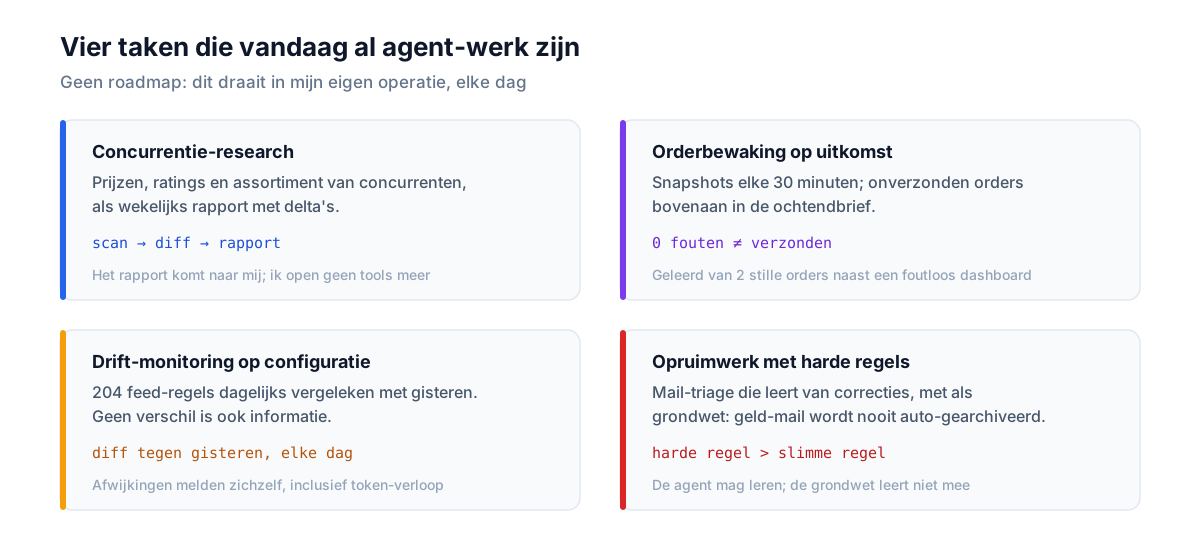
Mijn eigen shortlist draait al. Een dagelijkse radar vergelijkt 204 feed-regels in Channable regel voor regel met gisteren, zodat configuratie-drift zichzelf meldt. Order-snapshots elke 30 minuten, met de onverzonden orders bovenaan. Mail-triage die geld-mails nooit archiveert en leert van mijn correcties. En wekelijkse concurrentie- en SERP-scans die als rapport binnenkomen, zodat ik geen dashboards meer hoef te openen.
Mijn delegatie-lijst in cijfers
Elke agent in deze lijst levert bewijs bij zijn werk; een melding zonder artefact telt niet.
De kloof wordt je concurrentievoordeel
De kloof tussen "AI als speelgoed" en "AI als operatie" is precies waar het voordeel zit.
Wat ik als volgende doe, ligt vast. Elke repetitieve taak in mijn operatie krijgt een agent, en elke agent krijgt een bewijsplicht. Schrijven mag de machine; de waarheid blijft handwerk.
Boek een AI-in-e-commerce audit. Ik loop door jouw marketplace-operatie en wijs aan waar een agent nu al uren scheelt. Je krijgt dezelfde bewijsplicht die ik mijn eigen agents opleg: elke bevinding met artefact, of hij telt niet.
Bronnen en verder kijken
Wil je sparren over jouw marketplace-strategie?
Geen hype. Een nuchtere blik op waar je groei zit en waar je marge weglekt.
Neem contact op